In today’s epistle reading (III John), John encourages his readers to “imitate what is good.” What John is asking his readers to do is to look with discernment at what is good and what is evil and to mimic that which is good.
The way, for followers of Christ, is a way of mimicry—one that defies our cultural call to be ourselves. Self-individualization is the pride of our culture. Be yourself, we are told, be authentic. If we’re honest, even for a moment, with ourselves we will quickly realize that our prided self-individualization is actually a form of mimicry of the things we love and hold dear. John knows that at our core we ultimately mimic that which we love. In the fourth verse of his third letter, John says that he’s overjoyed to hear that his children (disciples) are walking in the truth. This means they have not only found and heard the truth but have set forth to model their lives after that truth. Ultimately John’s idea of truth, goodness, and love is nothing other than Christ himself. What John is calling his disciples to is to mimic the life of Christ.
As we prepare our hearts for the season of Epiphany in which Christ is revealed to the nations, the question we may need to ask ourselves is: are we mimicking the story that we’ve heard of him? Following the way is copying and pasting what we see until the story becomes more than words. We pattern our lives after the life of Christ so that it takes up residence in our own hearts. As we mimic Christ, we tell the story in word and deed.
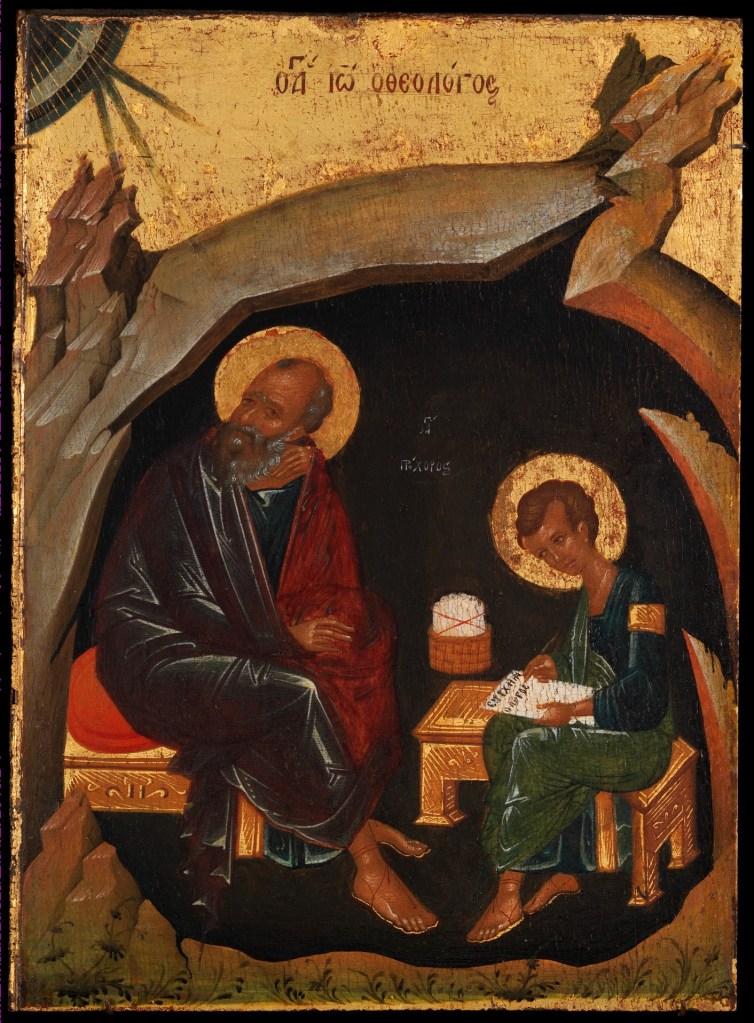
Running through this entire season is a perpetual theme: embodiment. The Gospel is nothing if it doesn’t create a physical change in us and others. Perhaps this is why the Eucharist is so profound. The priest has the audacity to declare that mere elements of Bread and Wine have become the living embodiment of Christ’s Body and Blood. It’s more than words. During the rite of the Eucharist, the Priest and the Church re-enact, or mimic, Christ’s institution of this meal. For me, the Eucharist taught me how to embody Christ in the flesh. The Gospel is more than a story to hear or think about; it is that which we have seen and heard and touched. And every time we come before his table we are able to touch Him. This is what we are called to mimic. We are called to tell the story with more than our lips—we are called to embody it, to become living gospels carried out into the world.
 Pilgrim By The Sea